Europe ocean freight rates are a key concern for importers and exporters shipping goods from China to European markets. On October 19, 2026, four major shipping lines—CMA CGM, Maersk, Hapag-Lloyd, and MSC—announced or implemented higher Freight All Kinds (FAK) rates on selected routes from Asia and the Far East to Northern Europe, the Mediterranean, and North Africa. These changes can affect shipping budgets, delivery plans, and profit margins for businesses that rely on regular ocean freight services.
For importers, understanding the latest rate adjustments is only the first step. You also need to check surcharges, container availability, quotation validity, and destination charges before confirming a booking. Honza Logistics provides international freight forwarding, customs clearance, warehousing, and door-to-door shipping services to help businesses coordinate their shipments from China.
What Changed in Europe Ocean Freight Rates?
The October 19 announcements covered different routes and validity periods. Although the effective dates were closely aligned, each carrier applied its own conditions and equipment requirements.
| Shipping line | Announced effective period | Main route coverage |
|---|---|---|
| Maersk | October 19–November 14, 2026, provisionally | Asia to Northern Europe |
| CMA CGM | October 19–October 31, 2026 | Asia to the Mediterranean and North Africa |
| Hapag-Lloyd | From October 19, 2026, until further notice | Far East to Northern Europe, the Mediterranean, Adriatic, and Black Sea |
| MSC | October 19–October 31, 2026, provisionally | Far East to Northern Europe, the Mediterranean, and Black Sea |
These periods reflect the supplied announcements and should not be interpreted as confirmation that the same rates remain available today. As of November 9, 2026, the stated October 31 periods have passed. Maersk’s announced period extends provisionally to November 14, while Hapag-Lloyd’s notice remains subject to further updates. Contact your freight forwarder for current rates before booking.
Why Are Shipping Costs to Europe Increasing?
Carrier rate adjustments can influence the base ocean freight charge, but your final shipping cost depends on several additional factors.
Fuel and environmental surcharges are particularly important when comparing quotations. Depending on the carrier and route, charges may include low-sulfur surcharges, fuel-related fees, emissions-related charges, and other service-specific costs.
MSC’s supplied announcement listed the following additional charges:
| Surcharge | Announced amount |
|---|---|
| Carbon Limitation Surcharge (CLS) | US$20/TEU |
| Carbon Review Surcharge (CRS), Northern Europe | US$88/TEU |
| Carbon Review Surcharge (CRS), Mediterranean | US$128/TEU |
| Piracy Risk Surcharge (PRS) | US$55/TEU |
| Suez Canal Surcharge (SCS) | US$36/TEU |
The PRS and SCS figures apply to the relevant services via the Suez Canal. These amounts come from the supplied announcement, not a verified current tariff. Confirm their applicability, billing basis, and validity with the carrier or freight forwarder.
Your cargo volume, container type, loading port, destination, and delivery requirements also affect the total. For example, a shipment delivered directly to a European warehouse may involve different costs from a port-to-port shipment where you arrange destination handling separately.
FCL vs. LCL: Which Shipping Method Should You Choose?
Choosing the right container arrangement can help you control China-to-Europe shipping costs. Full Container Load (FCL) provides dedicated container space, while Less than Container Load (LCL) allows you to share space with other shipments.
| Comparison factor | FCL shipping | LCL shipping |
|---|---|---|
| Cargo volume | Larger shipments | Smaller shipments |
| Container space | Dedicated container | Shared container |
| Pricing method | Generally quoted per container | Commonly based on chargeable volume or weight |
| Additional handling | Depends on the service | Consolidation and deconsolidation may add costs |
| Suitable cargo | Bulk orders and regular shipments | Samples and smaller commercial orders |
FCL is not always cheaper, and LCL is not always the most economical option. Request both quotations when appropriate, then compare the total costs, handling requirements, and delivery schedules.
How to Get an Accurate China-to-Europe Freight Quote
Before requesting a quotation, prepare the information your freight forwarder needs to calculate the shipment cost.
- Provide cargo details: Include the commodity, packaging, quantity, dimensions, gross weight, and cargo-ready date.
- Confirm the shipping route: Specify the Chinese loading port, European destination, and whether you need port-to-port or door-to-door service.
- Compare itemized quotations: Check base freight, applicable surcharges, terminal charges, customs clearance, and final delivery fees.
- Verify the quotation period: Confirm the expiry date, planned sailing, estimated transit time, and any rate conditions linked to the vessel’s departure date.
- Confirm the service scope: Establish who handles documentation, customs procedures, cargo insurance if required, and shipment tracking.
Following these steps helps you compare quotations on a consistent basis and reduces the risk of unexpected logistics expenses.
How Honza Logistics Supports European Shipments
Honza International Logistics was established in Shenzhen in 2013 and provides international sea freight, air freight, courier services, warehousing, customs clearance, and door-to-door transportation.
The company reports NVOCC registration with China’s Ministry of Transport and SGS approval in 2020. Its branches in Ningbo, Shanghai, Qingdao, Tianjin, Xiamen, and Changsha support coordination with exporters across major Chinese logistics hubs.
For businesses shipping to Europe, Honza Logistics can help arrange:
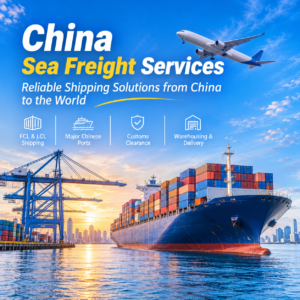
- FCL and LCL ocean freight.
- Export customs clearance and destination clearance arrangements.
- Cargo consolidation, storage, labeling, and repacking.
- Door-to-door delivery and shipment tracking.
- Shipping solutions for Amazon FBA and e-commerce cargo.
When requesting a quotation, provide your cargo details and destination requirements so the logistics team can assess suitable shipping options and clarify which charges are included.
FAQ
1. How can I check current Europe ocean freight rates?
Request a quotation based on your origin port, destination, container type, cargo volume, and planned departure date. Carrier announcements are useful references, but the final rate must be confirmed for your specific shipment.
2. Are FCL or LCL rates cheaper for shipping from China to Europe?
FCL may offer better value for larger shipments, while LCL can suit smaller cargo volumes. Compare the complete cost of each option, including handling, consolidation, and destination fees.
3. How can I avoid unexpected shipping charges?
Ask for a written breakdown of freight, surcharges, terminal handling, customs clearance, duties and taxes, and delivery fees. Confirm the quotation’s validity and whether the price covers port-to-port or door-to-door service.
Conclusion
Changes in Europe ocean freight rates can affect your shipping budget, delivery schedule, and overall logistics costs. By comparing FCL and LCL options, checking applicable surcharges, and confirming quotation validity before booking, you can make better shipping decisions and manage your China-to-Europe shipments more effectively.
Honza Logistics provides international ocean freight, customs clearance, warehousing, and door-to-door shipping solutions to support your business. Contact Honza Logistics today to request a tailored freight quotation and find a shipping solution that fits your cargo requirements and budget.