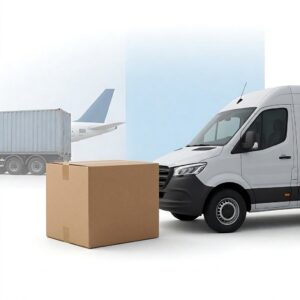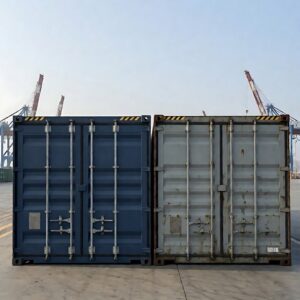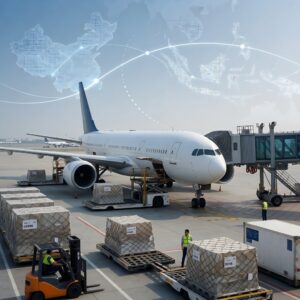
Choosing a reliable new and used container supplier can directly affect your shipping costs, cargo safety, and delivery schedule. If you source containers for international transportation, import and export operations, or long-term logistics projects, you need more than a competitive quotation. You also need to understand container condition, structural integrity, certification requirements, and shipping arrangements.
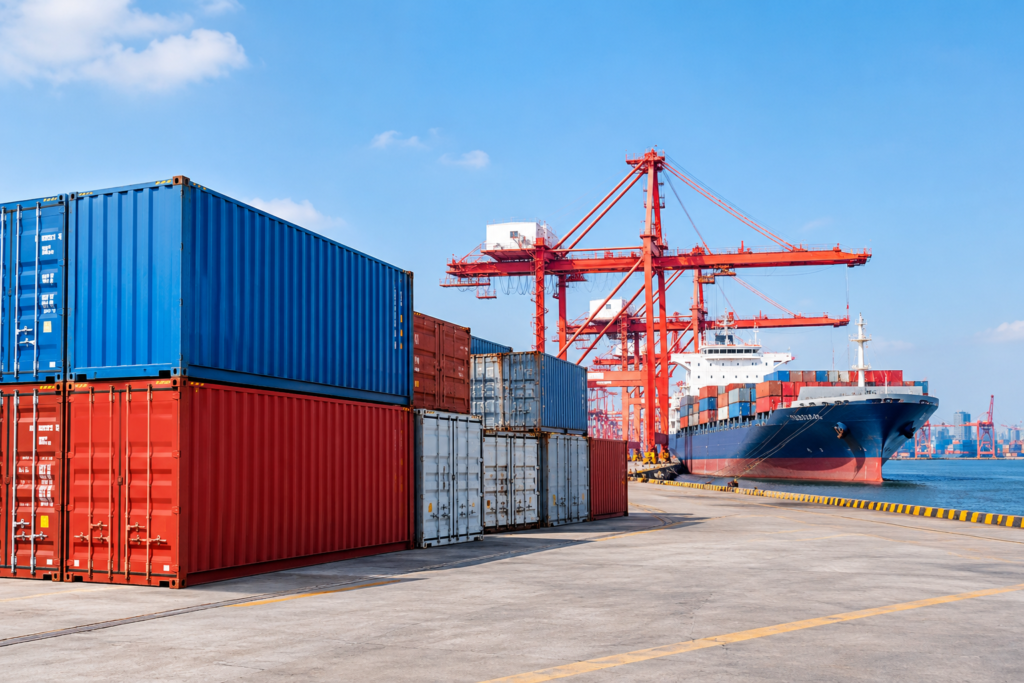
China offers access to major container supply and export ports, including Shanghai, Ningbo, Shenzhen, Tianjin, and Qingdao. However, differences in container quality, inspection procedures, and transportation costs can make purchasing decisions complicated. Honza Logistics helps global buyers source new and used containers while coordinating related logistics services. By evaluating your cargo requirements, budget, and destination, you can select a suitable container and plan its transportation more efficiently.
Why Choose a New and Used Container Supplier in China?
Working with a container supplier in China can simplify sourcing when your cargo originates in China or needs to move through its major ports. Instead of coordinating multiple independent providers, you can explore container procurement alongside freight and customs arrangements.
Honza Logistics was established in Shenzhen in 2013, according to its company profile. The company provides international sea freight, air freight, customs clearance, warehousing, and multimodal transportation services.
Key advantages of sourcing through an integrated logistics provider include:
- Access to multiple ports: Explore container sourcing options through major Chinese port cities, including Dalian, Tianjin, Shanghai, Guangzhou, Shenzhen, Ningbo, and Xiamen.
- Flexible purchasing options: Compare new and used containers according to your budget, intended use, and required condition.
- Coordinated transportation: Discuss sea freight, trucking, customs clearance, and delivery requirements with one logistics partner.
- International shipping support: Plan container movements around your origin, destination, cargo type, and shipping schedule.
These services can be particularly useful for importers, exporters, freight forwarders, and businesses purchasing containers for recurring transportation needs.
New vs. Used Shipping Containers: Which Should You Choose?
The right choice depends on your budget, cargo protection requirements, expected service life, and intended application. Before requesting a quotation, establish which factors matter most to your operation.
| Comparison Factor | New Shipping Containers | Used Shipping Containers |
|---|---|---|
| Initial cost | Generally higher | Generally lower |
| Physical condition | New construction with no previous cargo service | Varies with age, maintenance, and previous use |
| Appearance | Typically cleaner and more uniform | May show cosmetic wear |
| Structural inspection | Verify specifications and manufacturing quality | Check structural integrity, doors, flooring, and corrosion |
| Suitable applications | Export shipping, repeated use, and projects requiring new units | Budget-conscious shipping and suitable storage applications |
| Key purchasing consideration | Confirm specifications and applicable certifications | Request inspection details and verify suitability for the intended use |
Actual condition, availability, specifications, and pricing depend on the individual container and supplier.
When Should You Buy New Containers?
New containers may suit you if appearance, consistent condition, or repeated international transport is important. They can also be appropriate when your project requires units with specified dimensions, construction features, or documentation.
Before purchasing, confirm the container type, external and internal dimensions, door configuration, payload, and maximum gross weight. These details help you determine whether the container meets your cargo and handling requirements.
When Are Used Containers a Practical Option?
Used containers can help reduce upfront purchasing costs when cosmetic imperfections are acceptable and the container remains suitable for its intended purpose.
However, do not evaluate a used container by price alone. Ask for recent inspection records and check the door seals, locking mechanisms, floor condition, corner castings, roof, walls, and signs of corrosion or structural damage.
What to Check Before Buying Containers from China
A reliable purchasing process starts with clear specifications and documented condition checks. Use the following checklist before confirming an order.
- Define your requirements. Specify the container quantity, type, dimensions, cargo requirements, destination, and intended use.
- Choose new or used units. Establish your budget and determine the acceptable condition for used containers.
- Verify container condition. Request inspection photographs, condition reports, and relevant technical specifications before payment.
- Check CSC documentation. For containers intended for international sea transport, confirm the applicable Container Safety Convention (CSC) requirements and the validity of the safety approval plate or other required documentation.
- Request a complete quotation. Clarify the container price, loading or handling charges, inland transportation, ocean freight, customs-related charges, and destination delivery costs where applicable.
- Confirm shipping arrangements. Agree on the pickup or loading location, shipping route, expected schedule, documentation, and responsibilities of each party.
Following these steps makes supplier comparisons more meaningful and reduces the risk of unexpected expenses or unsuitable equipment.
CSC-Certified Containers and International Shipping Support
The Container Safety Convention (CSC) establishes international safety requirements for covered shipping containers used in international transport. A valid CSC safety approval plate is an important verification point when a container is intended for applicable international sea transport.
Before purchasing, check that the container’s identification and safety documentation correspond to the actual unit. Also confirm whether the container’s inspection or examination status meets the requirements applicable to its use. A supplier’s general statement about certification should not replace verification of the specific container and its documents.
Honza Logistics can coordinate container sourcing discussions with its broader freight services, including:
- International ocean freight and FCL/LCL arrangements.
- Trucking and pickup coordination.
- Export and import customs clearance.
- Warehousing and cargo consolidation.
- Destination delivery and related logistics planning.
The availability and scope of each service should be confirmed for your shipment. Customs duties, import restrictions, and documentation requirements vary by destination and cargo circumstances.
FAQ
1. How much does a new or used shipping container cost?
Prices vary according to container size, type, condition, quantity, location, and market availability. Transportation, handling, and destination charges can also affect your total cost. Request an itemized quotation to compare suppliers accurately.
2. Can I purchase shipping containers from China and arrange international delivery?
Yes. You can discuss container sourcing and international transportation together. Honza Logistics provides freight and related logistics services, while the specific shipping route, costs, schedule, and delivery arrangements must be confirmed for your order.
3. What documents should I check when buying a container for international shipping?
Check the container identification, relevant CSC safety approval documentation, inspection status where applicable, commercial invoice, and shipping documents required for your transaction. Additional customs or import documents may be necessary depending on the destination country and intended use.
Conclusion
Choosing the right new and used container supplier involves balancing purchase price, container condition, safety documentation, and transportation costs. By comparing specifications, inspecting used units, verifying applicable CSC requirements, and planning delivery in advance, you can make a more informed purchasing decision. Honza Logistics offers container sourcing alongside international freight and logistics coordination, helping businesses explore practical options for moving containers from China to global destinations.
Request a Container Quotation from Honza Logistics
Contact Honza Logistics at sales02@honzalogistics.com or call +86 18123984648 to discuss your container requirements. Provide your preferred container type, quantity, new or used condition, loading port, and destination country to help the team prepare a more relevant quotation and shipping plan.